I’ve Got to Admit, It’s Getting Better
Designer and artist Stefan Sagmeister on why the world is improving more than we think.
Throughout the ages, we have come up with a number of ways to help improve our personal lives, our communities, and our world. These include human rights, nonviolence, and working together. We have developed institutions around the societal pillars of science, education, media, and democracy.
Most of us would rather be alive than dead.
We now enjoy more than double the amount of time on this earth than our ancestors did only two centuries ago. This is progress.
And this advancement did not just happen in wealthy countries, but in the poorer ones as well: between 02003 and 02013, the average life expectancy in Kenya increased by a full 10 years. So if you lived in Kenya during those years, you paradoxically did not get older — after 10 years, death did not come any closer. And a century ago, half a million people used to die every year in natural disasters, which has now been reduced to a tenth of that number. This is even more remarkable when you consider there are four times as many people living today.
And our workplaces have become safer: accidental deaths while on the job are down 90% from 100 years ago. And, incredibly, walking around our cities is also now much safer, as compared to when people still traveled by horse-drawn buggy.

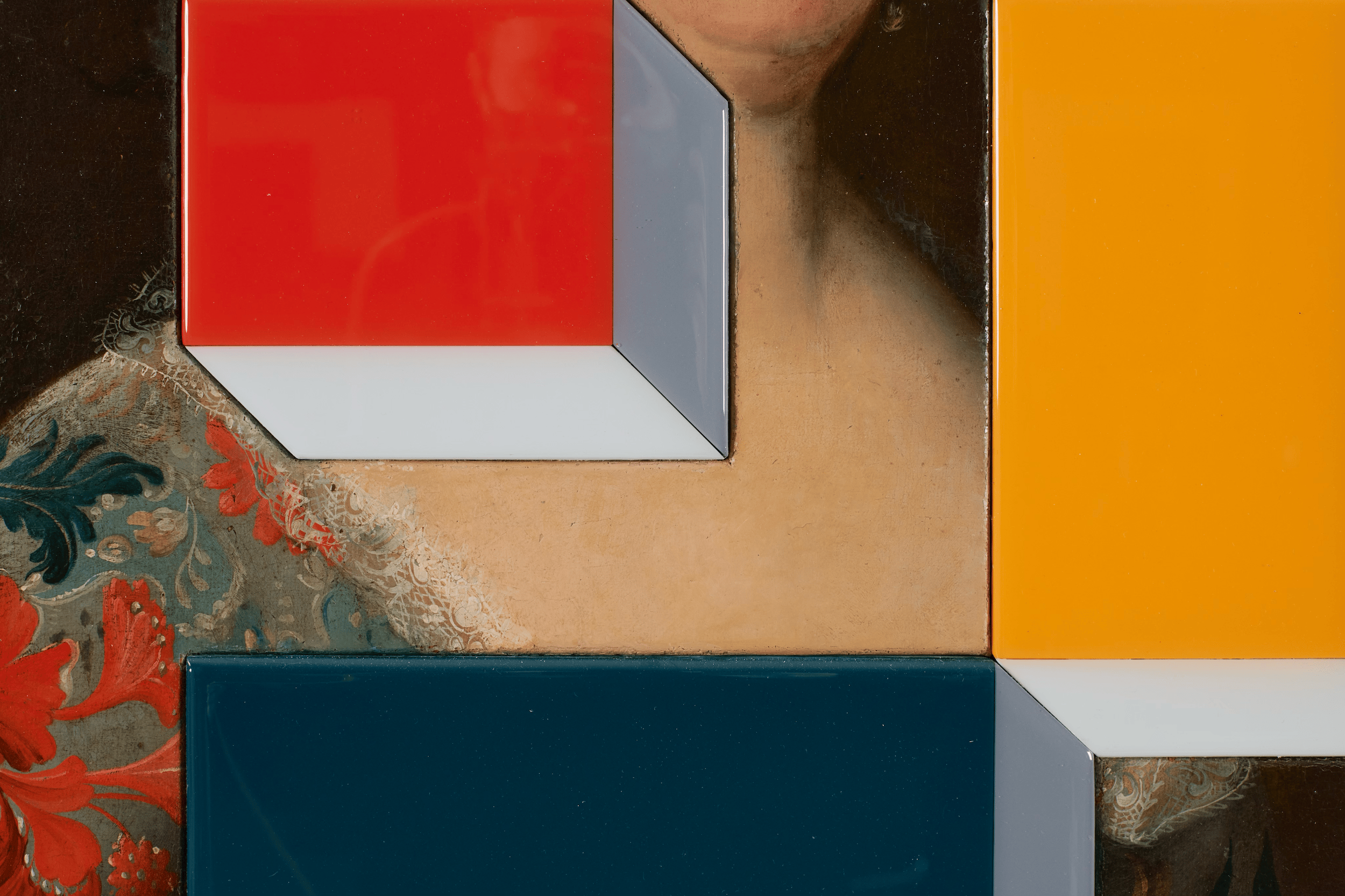
31 1/2 x 27 1/2 in. (80 x 70 cm)
Famine victims worldwide, 01860 vs. 02000:
01860: 4.1 million (yellow)
02000: 1.5 million (red)
Source: Joe Hassell and Max Roser, "Famines," Our World in Data, 02017.
We prefer food over hunger.
Growing up in Austria, one of the most popular fairytales centered on a mythical place called the Schlaraffenland, a land in which golden pancakes grows on trees and roasted pigs walk around with forks in their backs. I now experience a version of that Schlaraffenland everyday in New York City, where those golden pancakes and roasted pigs are just a call away.
The energy value of a typical diet in France at the beginning of the 18th century was about the same as the energy value of a typical diet in Rwanda in 01965, which was then the single most malnourished country in the world. The percentage of people living in extreme poverty has fallen from 90% to less than 10%. The UN now predicts we will see the end of extreme poverty within our lifetimes.

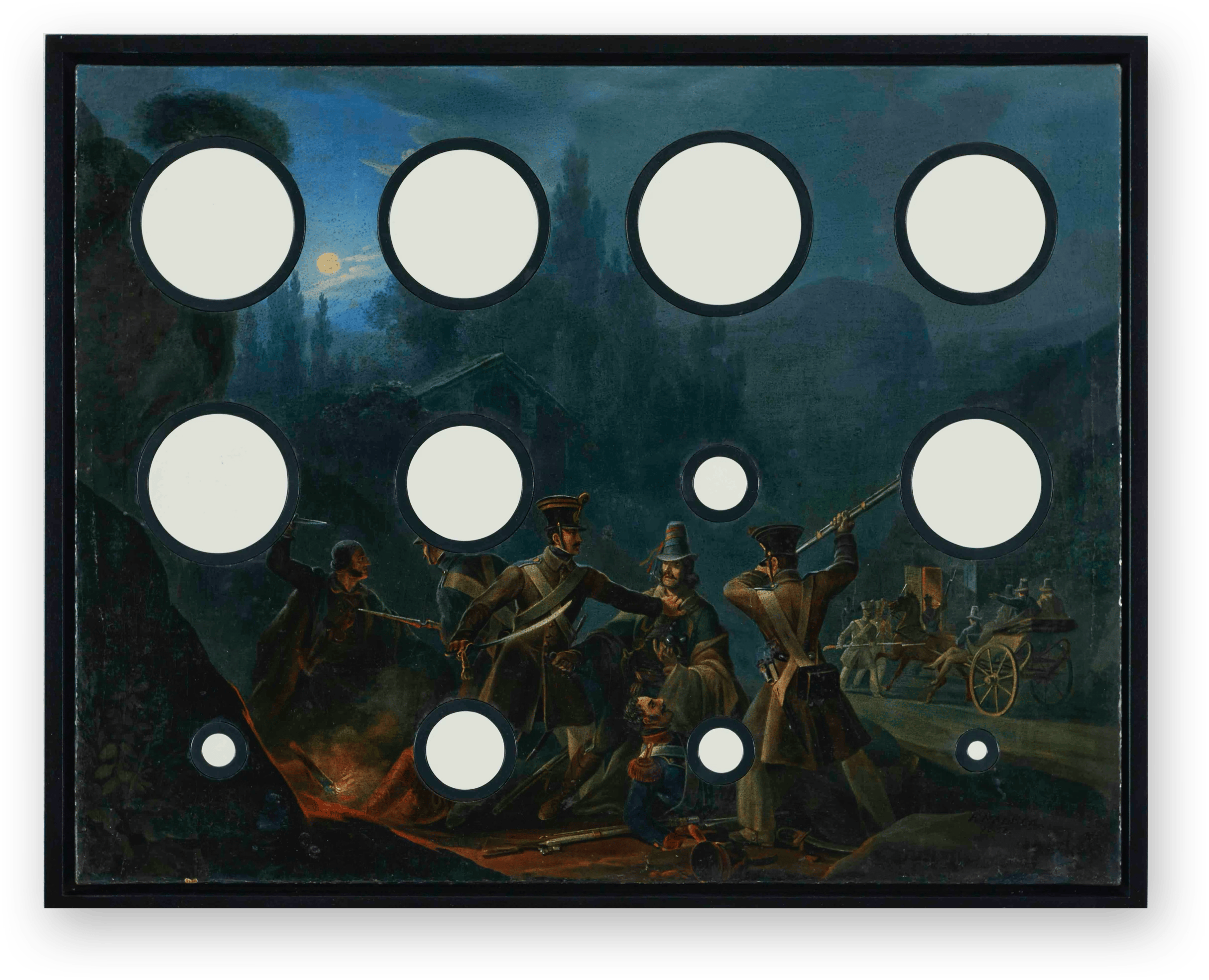
29 x 24 1/8 in. (74 x 61 cm)
Top row: Percentage of the global population living in poverty, 01990–02020 (left to right):
01990: 35%
02005: 25%
02020: 9%
Bottom row: Results of a 02020 survey in which people shared their thoughts on the global poverty rate in the last 30 years (left to right):
12% believe the global poverty rate has improved
33% believe the global poverty rate has stayed the same
55% believe the global poverty rate has worsened
Source: Hans Rosling, "Highlights from Ignorance Survey in the UK," Gapminder, 02013.
We favor health over sickness.
How does COVID-19 compare to other pandemics of the past 200 years?
Since the early eighties, 30 million have succumbed to HIV/AIDS. In the beginning of the 20th century, the Spanish flu killed 50 million people. Throughout the nineteenth century, 12 million died during the Third Plague. 7 million have died from COVID-19 at the time of publication.
If we imagine the isolated squalor that survivors of the Spanish flu must have lived in — very few had running water, radios, telephones, or television — we can safely assume they were not complaining about the plethora of Zoom calls and the scarcity of shows on Netflix. Today, nearly every person in the United States enjoys running water, and more people throughout the world are getting their water from a protected source than ever before.
Like the Spanish flu, smallpox was similarly devastating, existing for more than 3,000 years unchecked and killing more than 300 hundred million people in the 20th century alone. As a result of a global vaccination effort, it has ceased to exist. While vaccinations were still rare in the 19th century, 86% of all children worldwide are vaccinated against tetanus today.
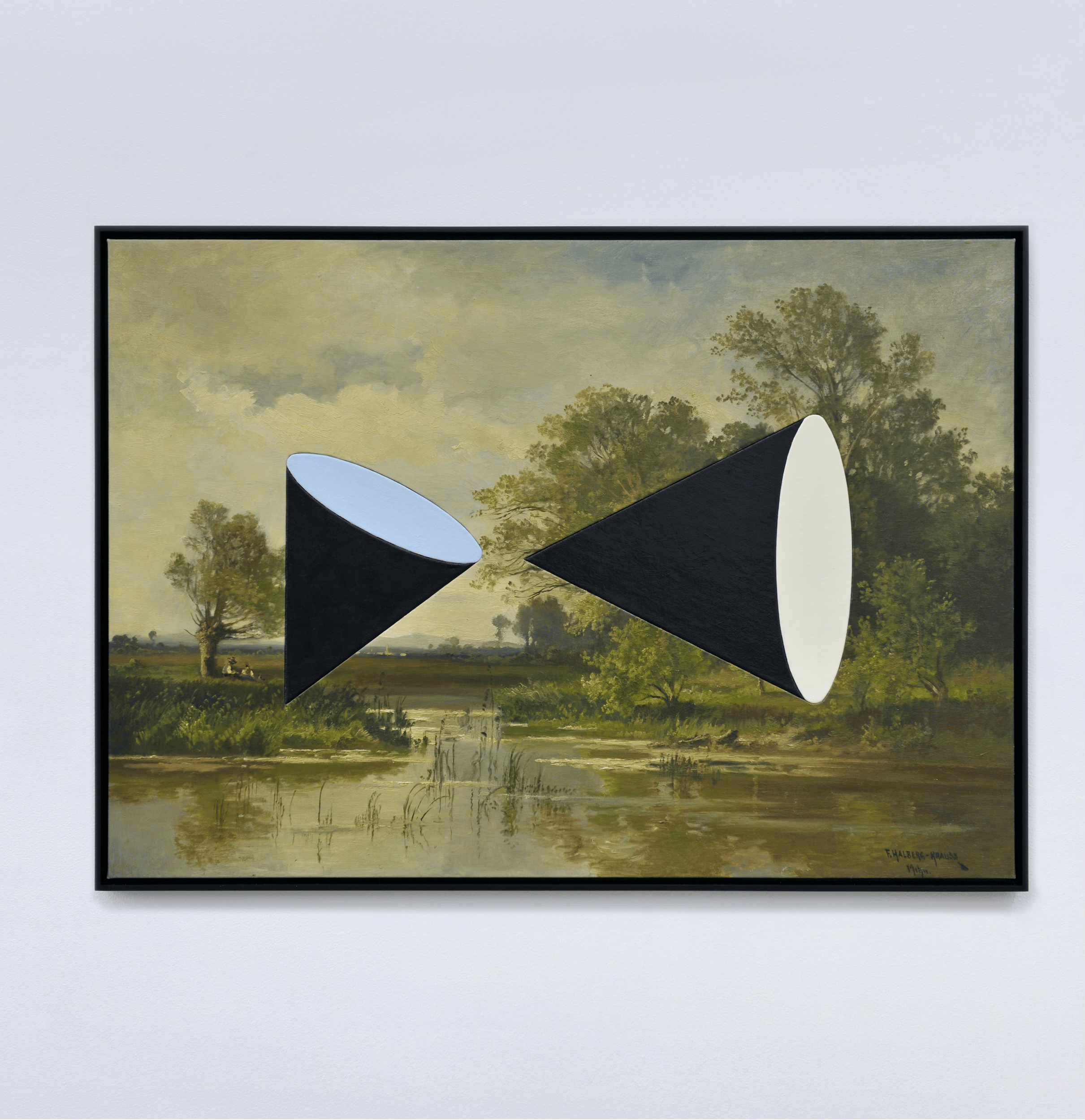

Diptych, each panel: 27 x 38 1/2 in. (69 x 98 cm)
Share of the world's population having water from a protected soruce, 01990—02015 (left to right):
Left:
01990: 75%
01998: 81%
Right:
02006: 86%
02015: 90%
Source: "Access to Drinking Water," WHO/UNICEF Joint Monitoring Program for Water Supply and Sanitation, 02022.
We’d rather be more equal.
Countries ranking on top of the annual worldwide happiness index tend to show high levels of equality, as measured with the Gini index. A Gini index of 1 means that everything is owned by a single person, while a Gini index of 0 indicates that everyone owns the same amount. The lower the score, the more equal the society.
We’ve all been reading about how we are living in a time of great inequality. This proves to be true if you only look at the past 50 years, exclusively observing resource-rich countries.
In the past five decades, the Gini index in the United States has gone from 0.44 to 0.51, as fewer people claim ownership over the sum possessions of the country compared to 50 years ago.
And yet, it is worth noting that this inequity existed well beyond 50 years ago, and was significantly worse before then. The adjusted net worth of the Vanderbilts and the Rockefellers was substantially higher compared to the Elon Musks and Jeff Bezoses of today. Scholars estimate John D. Rockefeller to have been about three times as rich as Bezos. More significantly, disenfranchised men and women in nineteenth-century America were much poorer than the contemporary version of this socioeconomic class today. Two hundred years ago, 90% of the global population lived in abject poverty and were ruled over by a tiny elite.
Considering gender equality, the share of women in the top income groups has only improved from 20% to 28% over the past few decades, and there are still more gains to be made. However, 30 years ago, half the US population believed women should remain in the kitchen. A quarter of the country shares this belief today. Thankfully, female representation in government has increased significantly.
If you ever get the opportunity to use a time machine, it would be smart to elect going forward into the future rather than back into the past. (Unless you’re John D. Rockefeller.)

10 5/8 x 8 1/4 in. (27 x 21 cm)
Number of children receiving an education worldwide, per 100 children, 01820 vs. 02020:
01820: 17 (red)
02020: 86 (black)
Source: Max Roser and Esteban Ortiz-Ospina, "Primary and Secondary Education," Our World in Data, 02013.
Knowledge and strength beats ignorance and weakness.
In 1800, only 12% of the global population could read and write. Now more than three quarters of the worldwide population is literate. Consequentially, more books are published now than ever before.
Because we know more, we also play more. For example, there were only 200 playable guitars available per 1 million people in the 01960s. This number increased to 11,000 guitars per 1 million people today.
We also exercise more: The first New York City Marathon took place in 01970. Of the 127 people who took part, 55 finished. The New York Times estimates that about 200 Americans were in good enough shape to finish a marathon in 01970. Today, one needs to take part in a lottery to be granted the opportunity to be one of the 50,000 people to participate in the race.
17 3/8 x 22 in. (44 x 56 cm)
Percentage of years in which the great powers have fought one another for an extended period (at least 25 years), 01543-02016 (left to right, top to bottom):
01543: 95%
01586: 95%
01629: 100%
01672: 90%
01715: 85%
01758: 38%
01801: 62%
01844: 20%
01887: 10%
01930: 20%
01973: 15%
02016: 0%
Source: Steven Pinker, The Better Angels of Our Nature, New York, Viking: 02011.
We’d rather live in peace than in war.
Throughout most of human history, peace was defined as an interlude in between wars. Wars between the great powers represented the most intense forms of destruction and were responsible for the most misery. But these great powers are no longer at war: the last conflict pitted the United States against Korea over 60 years ago. As Steven Pinker points out in his book Enlightenment Now, the idea that it is inherently honorable to kill people and destroy their bridges, farms, and schools strikes most people today as completely crazy. A century ago, this thought was not only common among the military but also among many artists and intellectuals. Emile Zola wrote that “war is life itself.” John Ruskin called war “the foundation of all arts.”
In contrast, the war raging in the Ukraine at the time of publication draws almost universal condemnation. No one believes the Russian aggression to be part of life itself. And yet, the idea that global conflict used to be even more devastating than today offers little solace to people under attack by Russian bombs.
Progress will never be steady. Solutions to problems will always create new problems. But progress can resume when those problems are solved.
For those who are living in countries at peace, the number of homicides committed globally has been consistently on the decline since the 01400s, dwindling from 35 murders per 100,000 people all the way down to two per 100,000. You were almost 20 times more likely to be killed at the hands of another in the Middle Ages than you are today.
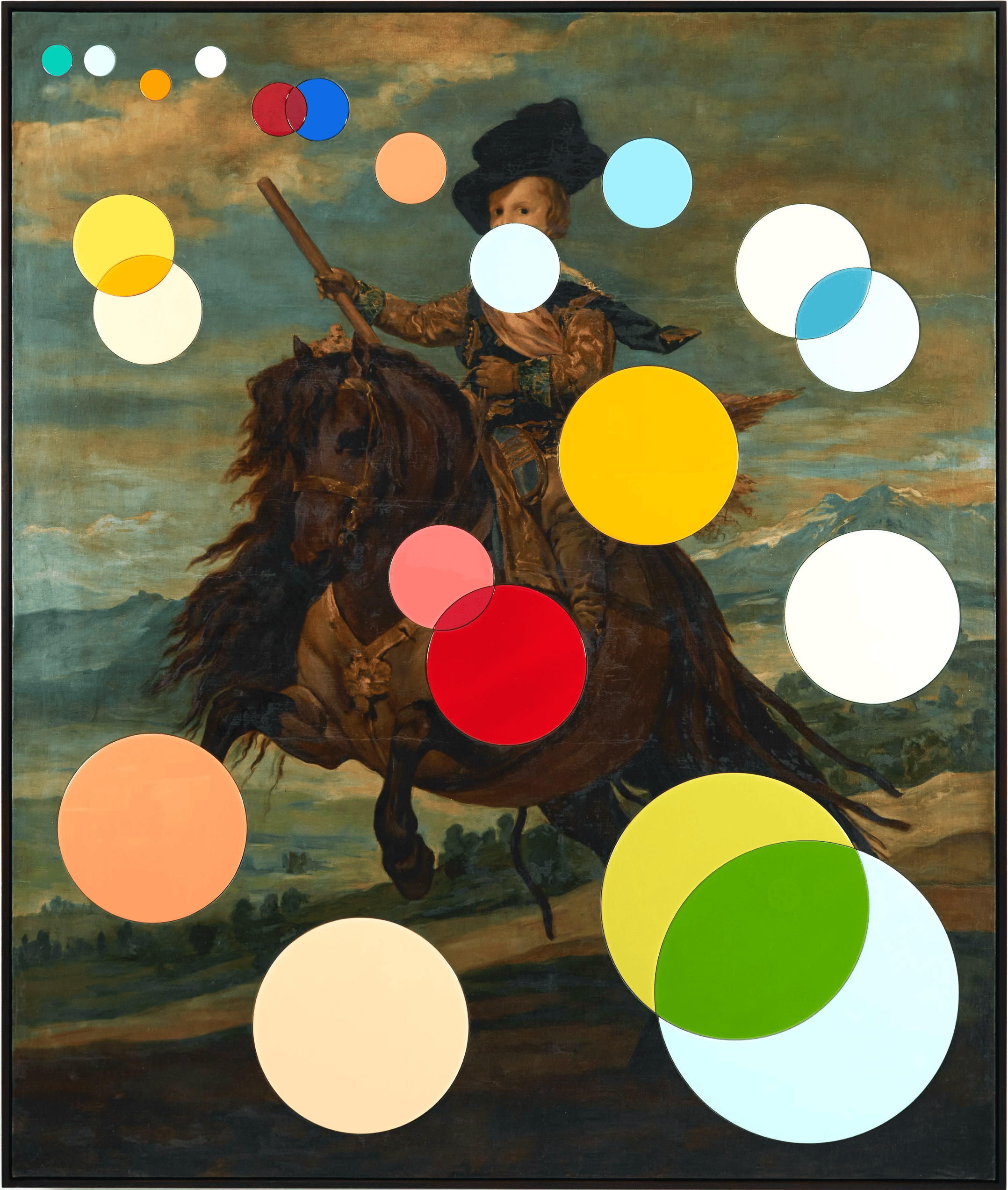
80 x 77 in. (203 x 196 cm)
Number of democratic countries worldwide, 01810–02010:
01810: 1 (small green)
01820: 1 (small blue)
01830: 1 (small orange)
01840: 1 (small light blue)
01850: 3 (small red)
01860: 4 (small dark blue)
01870: 5 (small salmon)
01880: 8 (light blue)
01890: 8 (blue)
01900: 10 (yellow)
01910: 12 (light salmon)
01920: 18 (blue-green)
01930: 15 (gray-blue)
01940: 11 (small pink)
01950: 29 (medium red)
01960: 30 (medium-yellow)
01970: 29 (medium blue-green)
01980: 34 (medium salmon)
01990: 45 (medium light salmon)
02000: 70 (large light green)
02010: 89 (large light blue)
Source: Bastian Herre and Max Roser, "Democracy," Our World in Data.
We’d rather live in democracies than in dictatorships.
When I grew up in Europe, countries like Spain and Portugal were still proudly self-declared fascist states. Poland, Czechoslovakia, Romania, Bulgaria, and most other countries in Eastern Europe were all ruled autocratically.
For the first time in human history, more than half of the world’s population lives in a democracy. This is a fantastic achievement, as democracies enjoy higher rates of economic growth and fewer wars and genocides, as well as healthier and better-educated citizens.
One of the most impressive data sets I’ve ever come across compared the duration and intensity of famines by political regimes over the past 200 years: almost all historic famines took place in autocratic countries under ruthless regimes, with very few occurring in a democratic system.
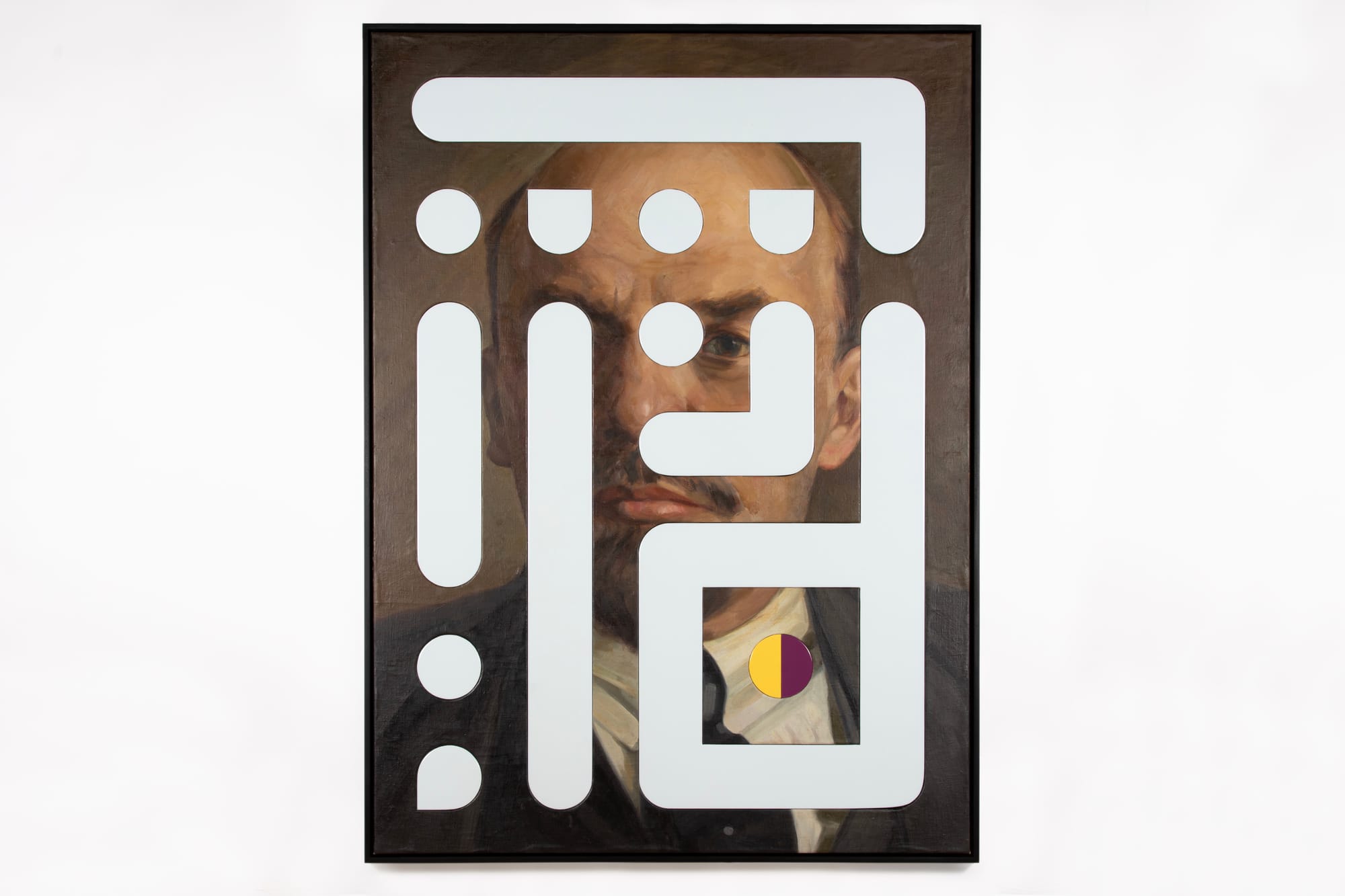
75 1/2 × 52 in. (192 x 132 cm)
Famines under autocracies, failed states, or other non-democratic regimes (blue):
01880: China (11 million)
01890: Ethiopia
01892: Russia
01899: Brazil
01920: USSR (9 million)
01920: China Northwest (4.5 million)
01930: USSR Ukraine (5.7 million)
01960: China (24 million)
01970: Nigeria (Biafra)
01980: Cambodia
01990: Somalia
01995: North Korea
Famines under democracies (yellow/purple):
01975: India
01998: Sudan South
Source: Joe Hassell and Max Roser, "Famines," Our World in Data, 02017.
The environment is not totally fucked.
When I arrived in New York City 35 years ago, it would have been unthinkable to consider eating a fish captured in the Hudson River. While I’d still prefer something else on the menu, there’s a good chance we will be able to enjoy locally caught fish from the city’s surrounding waterways again soon.
In the fifties and sixties, the city was under a near-permanent summer cover of smog, when heat inversions trapped particles from chimneys and vehicles. This had gotten so bad that airports were temporarily shut down and hundreds of people died in separate events.
Today, when I walk a couple of Manhattan blocks in the middle of August my nose picks up the smell of pizza, subway odors, sugar maple trees, traces of donuts, whiffs of garbage, and dog shit, all topped off by the strong stench of marijuana. The smog from cars and chimneys doesn’t cut through. The fact that New York was able to clean its air might work as an example for the many cities worldwide where smog is still a problem.
While we read about large catastrophes in our oceans, like the Exxon Valdez or BP Deepwater Horizon oil spills, we know very little about the slow and steady improvements being made overall in this industry each year.
Sustainable environmental progress is not anecdotal — it is measured by the Environmental Performance Index (EPI), a conglomeration of factors measuring the quality of air, water, forests, farms, and natural habitats. Out of the 180 countries that have been tracked over the past decade, all but two EPIs have improved. Wealthy countries — like those in northern Europe — improved the most, while Afghanistan and some sub-Saharan countries lagged behind.
On a smaller, though shockingly large, scale: Leaf blowers and other small gas-powered gardening equipment create roughly the same amount of ozone pollution as all the passenger cars in California combined. As of 02024, the sale of gas-powered landscaping equipment will be outlawed in California.
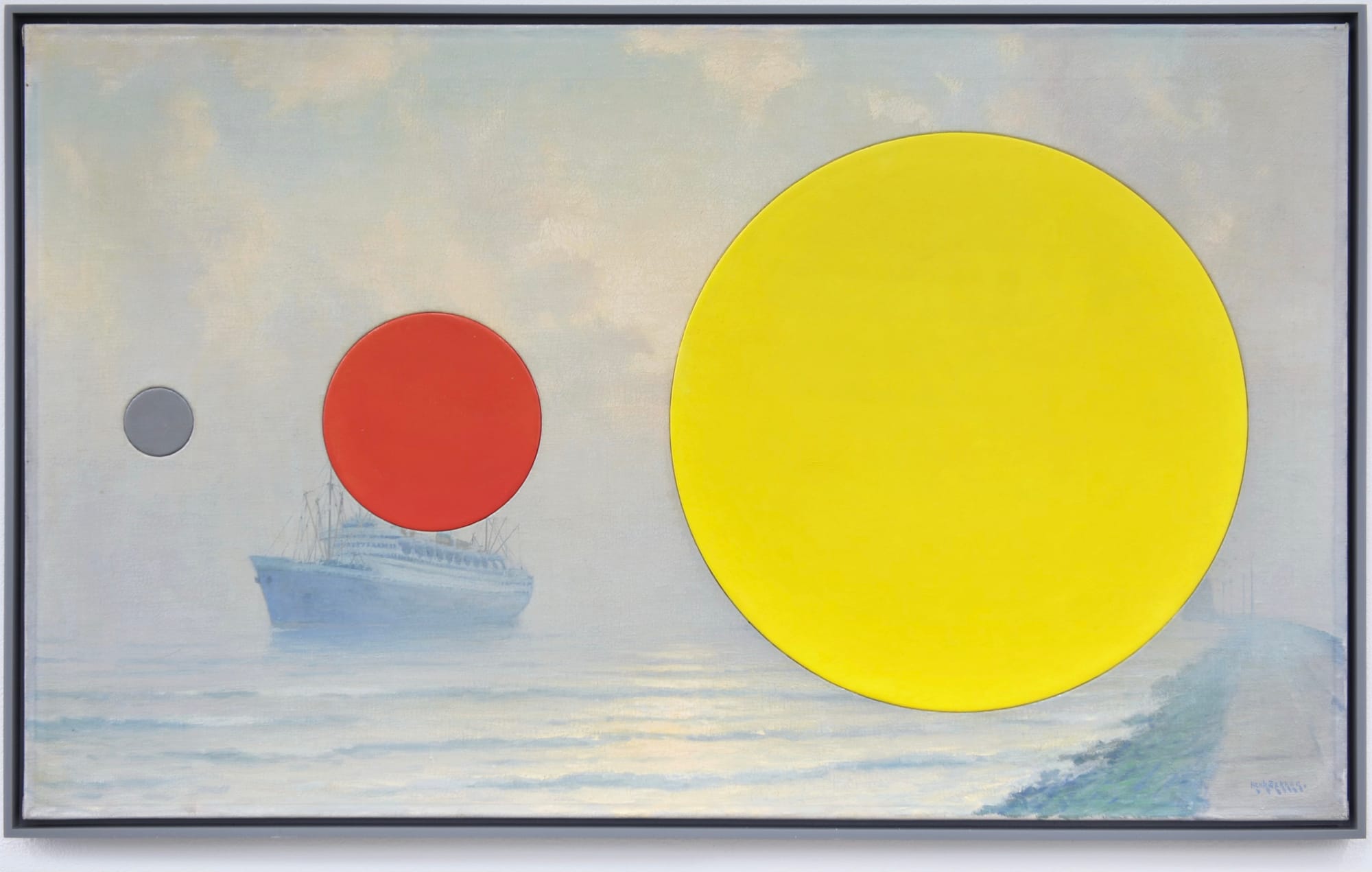
23 5/8 x 39 3/8 in. (60 x 100 cm)
Number of large oil spills worldwide, 01975–02015:
01975: 115 (yellow)
01995: 23 (red)
02015: 6 (gray)
Source: "Oil Tanker Spill Statistics," International Tanker Owners Pollution Federation, 02022.
If I had a hammer.
Progress in technology lets us do more with less. A single smartphone replaces countless consumer products: a telephone, answering machine, book, camera, tape recorder, radio, alarm clock, calculator, Rolodex, dictionary, calendar, street map, flashlight, and compass, among others. We have reached a peak in our consumption of stuff: In the UK, the average person consumed 15 tons of material every year in 02001. This has been reduced to 10 tons in 02013.
The number of hours we spend doing housework, which for many counts among one’s the least-favorite use of time, fell from 58 hours per week in 01900 to 15 in 02010. Electricity, running water, the washing machine, and the refrigerator have significantly increased the number of hours we get to spend as we wish.
In other words, the data reveals that John Lennon and Paul McCartney had gotten it exactly right when they wrote: “I have to admit, it’s getting better.”
—
This essay was first published in Now is Better by Stefan Sagmeister (New York, Phaidon: 02023). It has been reprinted with permission.
Join our newsletter for the latest in long-term thinking
Subscribe